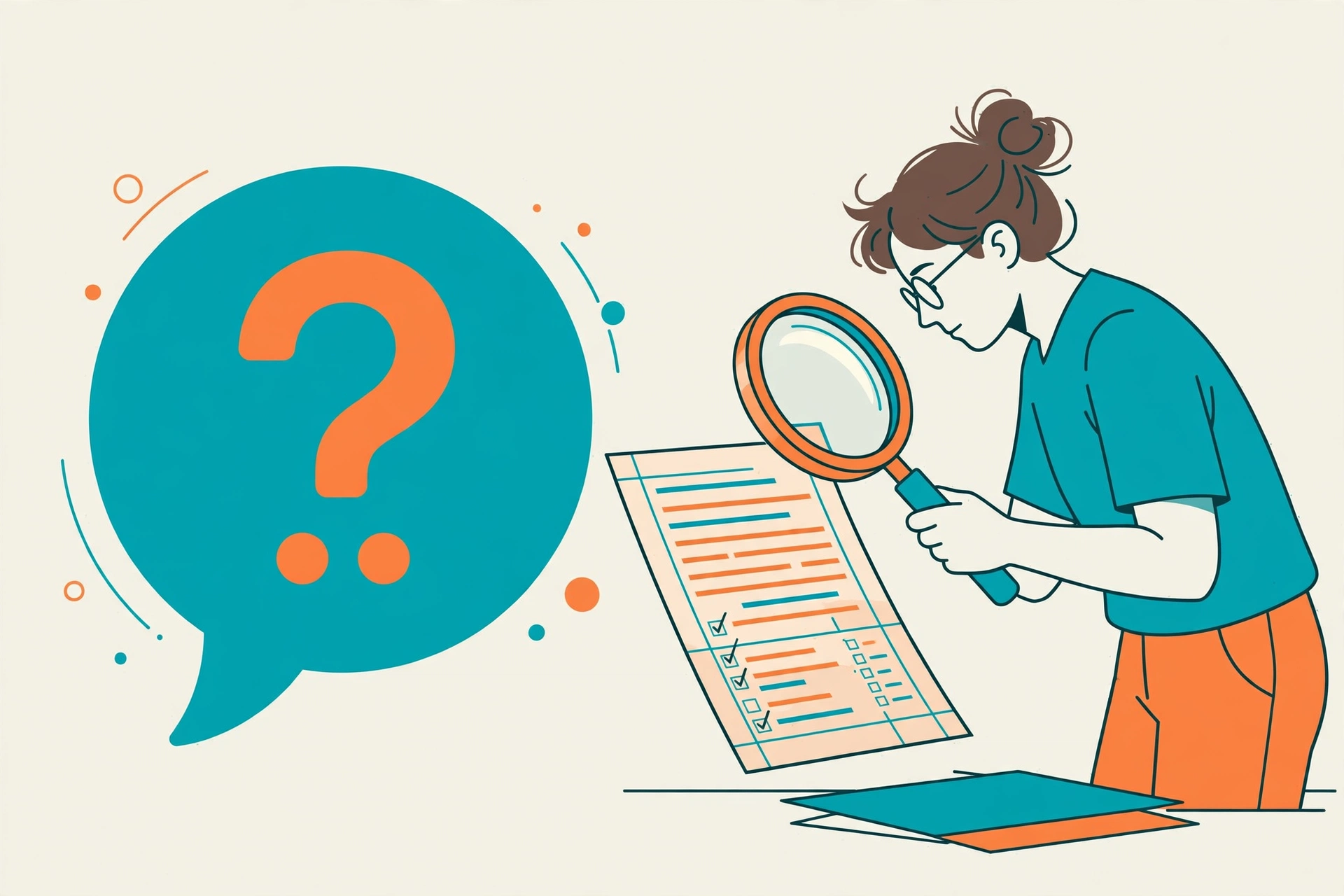
Imagine you receive a screenshot of a chatbot answer that looks extremely convincing. The language is tidy, there are figures, there are institution names, and the conclusion sounds like an official accusation. You share it, your friends share it, and soon everyone treats it as evidence. Well, the Meta AI case and wildfire content from yesterday is the easiest lesson in why that approach is dangerous.
What went viral was not just about wildfires. What went viral was how we treat AI answers. A chatbot can stitch together circulating fragments of information into a single answer that sounds official, even though that answer is neither an official company statement nor evidence of a government instruction.
The gist, first
- The viral Meta AI answer linked account and content blocks, including those related to wildfires, to legal requests from Komdigi.
- Komdigi denied ever requesting a specific takedown or restriction for wildfire content, through a statement by Minister Meutya Hafid on 21 October 2026 and a statement by the Directorate General for Digital Space Supervision on 23 October 2026.
- Komdigi has asked Meta for clarification and held a closed meeting about how Meta AI produces answers.
- The figure of around 73 takedowns from April to August 2026, with 90.4 percent claimed to come from Komdigi requests, appeared inside the chatbot answer and news coverage citing it, not as proof that the government requested a specific wildfire restriction.
- The principle Komdigi recommends to the public is trust but verify: use AI as an initial aid, then check again against official sources.
The timeline, in a checkable version
On Threads, a Meta AI conversation circulated saying most blocks happened because Meta complied with legal requests from Komdigi. The chatbot also referred to a notification appearing when an Instagram account could not be accessed in Indonesia, with a message that the account was unavailable because the platform complied with a legal request from KOMDIGI.
On the same day, 21 October 2026, Minister of Communication and Digital Affairs Meutya Hafid denied any request to take down wildfire content. She stressed there was no content takedown and no takedown request from Komdigi to restrict wildfire information, and that wildfire information is actually important for the government as input for handling efforts on the ground. Deputy Minister Angga Raka Prabowo also stressed there was no restriction on any content related to that issue, according to news coverage citing him.
Two days later, on 23 October 2026, Mediodecci Lustarini, Secretary of the Directorate General for Digital Space Supervision, stressed that AI-generated information cannot be directly taken as an official statement of the government or of the technology provider company. She also said Komdigi had clarified that information with Meta and held a closed meeting to discuss Meta AI’s development, including how the system produces answers for users.
Why can a chatbot answer sound convincing when it may not be accurate?
Meta explained, through an explanation cited by Komdigi, that Meta AI is currently still in a trial stage and learns patterns and information from publicly available data. In that process, AI can potentially produce answers that sound convincing, but are not current or accurate. That condition is known as AI hallucination: when a system produces incorrect information in language that sounds convincing.
Hallucination happens easily when the topic is already trending and many fragments of information are circulating online. AI can take fragments from here and there, then stitch them into one coherent story, complete with figures and institution names. Readers who do not check the sources may think the story has been verified, when only its fragments have been verified, not its overall conclusion.
This is similar to the case of one line of code to say no to AI we discussed before: AI works from existing data and signals, and those signals can be misread if not checked against primary sources. The difference is that in this wildfire case, what is at stake is not just technical, but also public trust in institutions and platforms.
What is confirmed, and what is not?
What is confirmed from official sources and news coverage citing official statements is Komdigi’s denial of a specific wildfire request, the clarification request to Meta, that closed meeting, and the trust-but-verify advice to the public. Those are what you can write as facts.
What is unconfirmed is the specific wildfire accusation that is going around. As of this report, there has been no official Meta confirmation of a specific wildfire request, according to news coverage citing Komdigi’s statements. So do not write that accusation as if it were already a verdict, and do not write the 73 takedowns and 90.4 percent figures as if they already proved a specific wildfire request. Those figures, if mentioned, must be mentioned with clear attribution: they appeared in the chatbot answer and news coverage citing it, and their context is takedowns in general, not proof of a specific wildfire request.
One timeline summary also mentions that Meta AI later corrected its previous answer and admitted it was not sourced from an official Komdigi release. That is plausible news, but in this article it is written as a summary report, not as an official Meta statement verified directly from Meta’s official page, because the primary source is not cited here.
How to check an AI answer before you share it, step by step
This is the most useful part, and you can practise it the next time you receive a viral screenshot of an AI answer.
First, ask: who is speaking? If the speaker is a chatbot, treat it as an early draft, not an official statement. An official statement usually lives on an institution’s official site, a verified official account, or a press release whose date and contents can be checked.
Second, separate the claims one by one. Do not check the overall conclusion first; check claim by claim. For example, the claim of a specific wildfire request, the claim of takedown figures, and the claim of an account notification. Each claim can have a different status: one may be true, another not necessarily.
Third, find the primary source. If the chatbot mentions SAFEnet and Remotivi data, find the original reports, not just the chatbot’s screenshot. If the chatbot mentions a minister’s statement, find the minister’s original statement on an official account or in news coverage quoting it directly.
Fourth, check the date and context. Data from April to August 2026 concerns takedowns in general, not automatically evidence for the specific wildfire issue of October 2026. Many viral misunderstandings come precisely from here: figures that are correct, but whose context has been moved.
Fifth, if you have checked and still cannot find the primary source, do not share yet. Just note in your head: unconfirmed. That does not mean the accusation is false, but it also does not mean it is true. Holding back a share is not a passive neutral stance; it is precisely the stance that protects you from spreading information that may not be true.
Who is this lesson most important for?
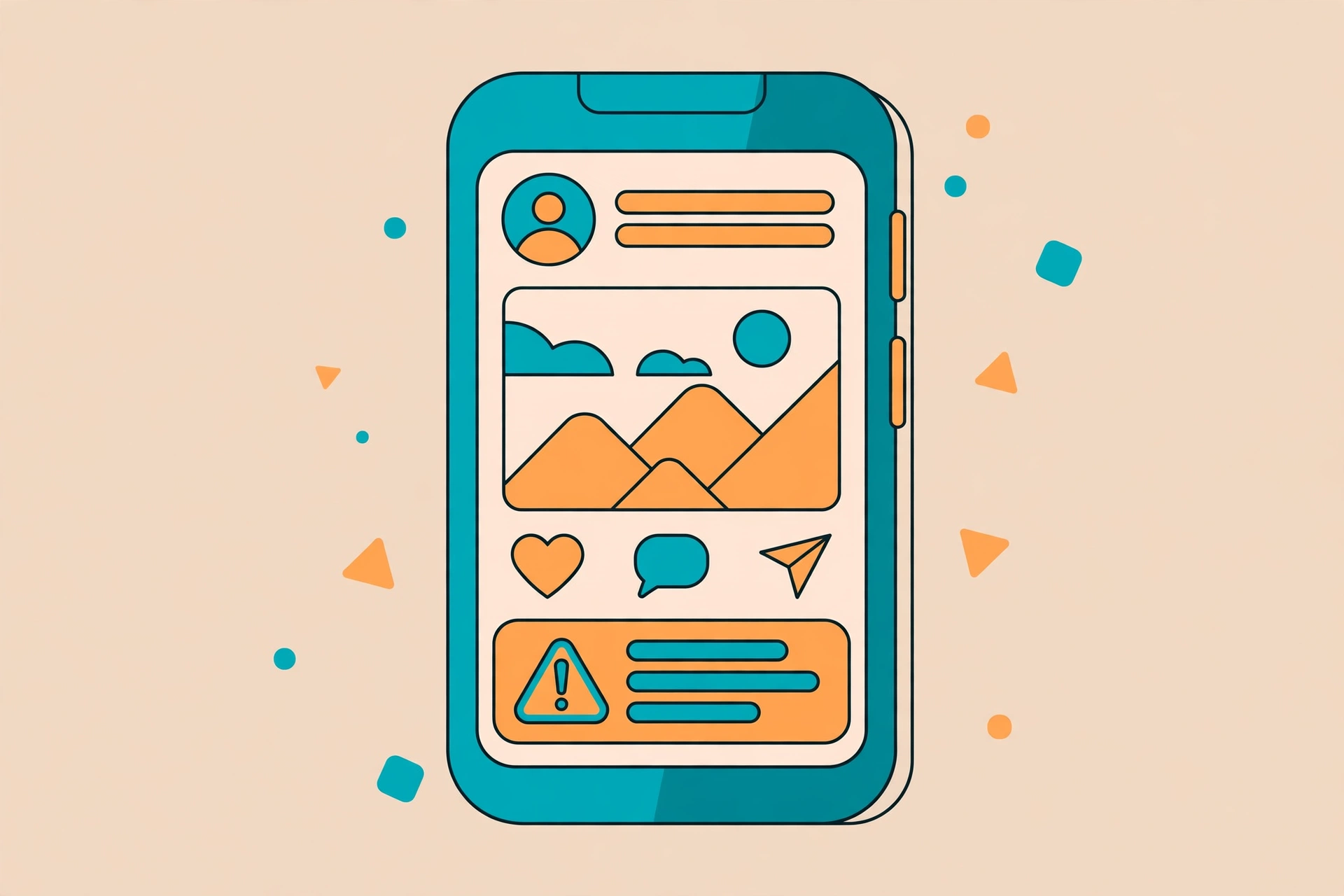
Most important for those who often get information from Threads, Instagram, and chat groups, then immediately share it because it looks convincing. In the screenshot era, one image of a chatbot answer can travel faster than its official clarification. Clarifications take time, but a screenshot takes just one click.
For content creators and community admins, this lesson is also important. Do not make a chatbot answer the sole source for an article or post accusing an institution or company. If you want to raise a sensitive topic, include the official denial as well, state what is still unconfirmed, and do not use a headline that already judges before readers read the contents.
For those working in technology, this case is also a reminder about transparency. Platforms need to explain clearly when an AI answer comes from official data, when from open data, and when from patterns learned from unverified data. Komdigi itself, according to coverage, pushes for accountability and algorithm transparency from platforms. That is a reasonable demand, regardless of who is right about the specific accusation.
Final verdict
This case does not end by simply picking a side. One side says the chatbot revealed something, the other says there was no specific wildfire request. What we can hold on to from the available evidence is: Komdigi’s official denial of a specific wildfire request exists and can be checked, the clarification request to Meta exists, and the advice not to immediately trust AI answers exists.
Beyond that, especially whether there is a specific request not yet revealed, it remains unconfirmed from the official sources cited here. So an honest article is not the loudest article, but the article clearest in separating what is already confirmed, what is still a chatbot claim, and what still needs checking.
The next time you receive a viral screenshot of an AI answer, remember three words: trust but verify. Use AI to get an initial picture, then check against official sources before you share, especially before you treat it as evidence.
Quick Q&A
Can a Meta AI answer be considered an official Meta statement? No. Komdigi stresses that a chatbot answer cannot be directly taken as an official statement of the government or of the technology provider company.
Did Komdigi request restrictions on wildfire content? Komdigi denies ever requesting a specific takedown or restriction for wildfire content, through statements on 21 and 23 October 2026.
Are the 73 takedown figures proof of a wildfire request? Not automatically. Those figures appeared in the chatbot answer and news coverage citing it, and their context is takedowns in general, not proof of a specific wildfire request.
What should be done before sharing a viral AI answer? Separate its claims one by one, find their primary sources, check dates and context, and do not share yet if the primary source cannot be found.
Sources
- InfoPublik, Kemkomdigi Ingatkan Publik tak Langsung Percaya Informasi Meta AI soal Demo dan Karhutla
- Korankota, Meta AI Ungkap Pemblokiran Konten terkait Karhutla karena Permintaan Komdigi, Meutya Hafid Membantah
- IndonesiaOnline, Viral Pengakuan Meta AI soal Pemblokiran Konten, Komdigi Bantah Batasi Informasi Karhutla
- Blog Kakak.ai, Komdigi Minta Klarifikasi Meta soal Jawaban Meta AI Karhutla
Images in this article are generated illustrations, not actual screenshots of Meta AI or social media posts. This article was written on 1 November 2026 with a neutral AI-literacy angle, separating confirmed facts from unconfirmed chatbot claims, and does not judge any party on the specific accusation unconfirmed from the official sources cited. Images from the original licensed sources were not available for this topic without risk of misleading, so illustrations are used with clear captions.
